Blog

  • Marketing Gold: The Olympic Spotlight on Brand Engagement at the Paris 2024 Games

    Marketing Gold: The Olympic Spotlight on Brand Engagement at the Paris 2024 Games

    As the world gears up for the Paris 2024 Olympics, marketers are preparing to seize the global stage with innovative strategies that blend creativity, technology, and a deep understanding of the Olympic spirit. This blog post delves into what marketers can expect from the Paris 2024 Olympics, exploring the latest trends, challenges, and opportunities in Olympic marketing.

     The Evolution of Olympic Marketing

    Olympic marketing has evolved significantly since the early days of the modern games. Initially, sponsors were primarily interested in associating their brands with the prestige and international appeal of the Olympics. Today, marketers view the Olympics as a platform for storytelling, community building, and driving consumer engagement on a global scale.

     Storytelling and Emotional Connection

    Marketers are increasingly focusing on creating narratives that resonate emotionally with audiences worldwide. By telling stories that reflect the values of the Olympics—such as unity, perseverance, and excellence—brands can forge deeper connections with consumers and differentiate themselves in a crowded marketplace.

     The Rise of Digital and Social Media

    The digital revolution has transformed Olympic marketing, turning the event into a 24/7 spectacle that reaches billions of people around the globe. Marketers are leveraging social media, influencer partnerships, and interactive online experiences to engage with fans in real time and create a sense of community.

     Influencer Partnerships and Fan Engagement

    Influencers play a pivotal role in Olympic marketing, amplifying brand messages and engaging with fans in authentic ways. Brands are partnering with athletes, celebrities, and influencers who embody the Olympic spirit, using their platforms to reach millions of followers and create buzz around the games.

     Sustainability and Corporate Social Responsibility

    Sustainability and corporate social responsibility (CSR) are becoming central themes in Olympic marketing. Brands are aligning their messaging with the United Nations Sustainable Development Goals, showcasing initiatives that promote environmental sustainability, social inclusion, and economic growth.

     CSR Initiatives and Environmental Stewardship

    Marketers are highlighting their brands’ commitments to reducing carbon footprints, promoting diversity and inclusivity, and contributing to local communities. These initiatives not only enhance a brand’s image but also resonate with younger generations who are increasingly concerned about social and environmental issues.

     The Future of Olympic Marketing

    Looking ahead, Olympic marketing is poised for continued evolution, with marketers expected to embrace even more immersive and interactive experiences. Virtual reality, augmented reality, and metaverse technologies are emerging as exciting frontiers for engaging fans and creating unforgettable Olympic moments.

     Immersive Experiences and New Technologies

    As technology advances, marketers are exploring how to use virtual and augmented reality to bring the Olympic experience to life in new and innovative ways. From virtual tours of the venues to interactive games that allow fans to participate in the action, these technologies promise to redefine fan engagement and create a more immersive Olympic experience.

     Conclusion

    The Paris 2024 Olympics represent a golden opportunity for marketers to showcase their creativity, innovation, and commitment to the Olympic values. By focusing on storytelling, leveraging digital and social media, emphasizing sustainability and CSR, and exploring new technologies, marketers can capture the Olympic spirit and connect with audiences in meaningful ways. As the world turns its eyes to Paris, marketers are ready to shine, demonstrating once again why Olympic marketing is truly a gold standard in brand engagement.

  • Bridging the Digital Skills Gap: 3 Strategic Approaches for the Modern Workforce

    Bridging the Digital Skills Gap: 3 Strategic Approaches for the Modern Workforce

    In the rapidly evolving digital landscape, the demand for specialized digital skills has skyrocketed, leaving many organizations grappling with a widening skills gap. This deficit is particularly pronounced in the realm of artificial intelligence (AI), where the pace of technological advancement often outpaces the ability of individuals and teams to acquire the necessary knowledge and competencies. This article explores three key strategies aimed at bridging the digital skills gap, empowering individuals and organizations to thrive in the digital economy.

     Empowering Lifelong Learning

    One of the most effective strategies for closing the digital skills gap is fostering a culture of lifelong learning. Encouraging employees to continuously update their skillsets through formal education, online courses, and self-study can equip them with the latest digital competencies, such as AI, machine learning, and data science.

     Creating Accessible Learning Resources

    Organizations can bridge the digital skills gap by making high-quality learning resources accessible to all employees. This includes offering free or subsidized access to online courses, workshops, and certifications that cover the latest digital skills. Additionally, pairing employees with mentors who specialize in these areas can provide personalized guidance and support throughout their learning journeys.

     Investing in Upskilling Programs

    Investing in upskilling programs is another critical strategy for bridging the digital skills gap. These programs are designed to enhance existing skills or teach entirely new ones, ensuring that employees are equipped to meet the evolving demands of the digital workplace.

     Tailored Training and Development

    Tailored training and development programs can be customized to address specific skill deficits within an organization. By identifying the most pressing needs, companies can focus their resources on areas that will yield the greatest returns, such as AI and machine learning, ensuring that their workforce remains competitive in the digital economy.

     Collaborating with Educational Institutions

    Collaboration with educational institutions can also play a vital role in bridging the digital skills gap. By establishing partnerships with universities, colleges, and vocational schools, organizations can create pathways for students to gain practical experience and develop the skills required for digital roles.

     Joint Research Projects and Internships

    Joint research projects and internships provide students with hands-on experience in cutting-edge technologies, while also benefiting organizations by bringing fresh perspectives and innovative ideas to the table. Such collaborations can help ensure that the next generation of workers is well-equipped to tackle the challenges of the digital economy.

     Conclusion

    Bridging the digital skills gap is a collective effort that requires the involvement of individuals, organizations, and educational institutions. By adopting a strategic approach that emphasizes lifelong learning, upskilling programs, and collaboration with educational partners, organizations can empower their workforces to master the latest digital skills, ensuring their competitiveness in the digital economy. As the digital landscape continues to evolve, the importance of continuous learning and adaptation will only grow, underscoring the need for proactive strategies to close the skills gap and prepare for the future of work.

  • Mastering the Art of Digital Marketing Planning in 2024  

    Mastering the Art of Digital Marketing Planning in 2024  

    Embarking on the journey of digital marketing planning in 2024 requires a strategic approach that combines deep introspection with an understanding of the broader market dynamics. This guide aims to illuminate the path towards crafting a digital marketing plan that not only aligns with your business goals but also navigates the rapidly evolving digital landscape with agility and precision.

     Step 1: Embark on a Thorough Situational Analysis

    The foundation of a robust digital marketing plan lies in conducting a comprehensive situational analysis. This dual-pronged approach involves assessing both the internal and external environments of your organization using the SWOT (Strengths, Weaknesses, Opportunities, Threats) analysis framework.

     Internal Analysis: Unveiling Strengths and Weaknesses

    Begin by examining your company’s internal environment. Identify your strengths and weaknesses, considering factors such as your team’s expertise, current digital assets, and areas where improvements are needed. This introspective phase is crucial for understanding your starting point and setting realistic goals.

     External Analysis: Exploring Opportunities and Threats

    Concurrently, conduct an external analysis to grasp the broader market landscape. This involves evaluating opportunities and threats, including digital trends, competitor actions, and changes in consumer behavior. Understanding the external environment helps in identifying potential growth areas and challenges that could impact your marketing efforts.

     Customer Needs and Market Ecosystem

    A critical aspect of the situational analysis is gaining insight into your customers’ needs and the digital ecosystem in which you operate. This qualitative and quantitative examination covers digital habits, the influence of intermediaries and influencers, and how these elements intersect with your brand’s offerings.

     Benchmarking for Best Practices

    To further enrich your situational analysis, incorporate benchmarking techniques. Identifying and analyzing best practices from similar organizations can provide valuable insights and inspiration for your digital marketing plan. This comparative approach helps in extracting lessons learned and applying them to your strategy, fostering innovation and efficiency.

     Step 2: Conduct an Internal Study on Digital Readiness

    Understanding your company’s digital readiness is imperative for developing a forward-looking digital marketing plan. This involves assessing your organization’s digital capabilities, infrastructure, and culture to determine how prepared you are to leverage digital marketing strategies effectively.

     Evaluating Digital Capabilities

    Assess your company’s digital capabilities, including your website’s functionality, content management systems, and the proficiency of your digital marketing team. This evaluation ensures that your digital marketing plan is grounded in reality and achievable with your current resources.

     Infrastructure and Culture

    Examine your digital infrastructure and organizational culture to identify any gaps that could hinder the successful implementation of your digital marketing plan. A supportive culture that embraces change and innovation is essential for overcoming obstacles and driving digital transformation.

     Conclusion

    Crafting a digital marketing plan in 2024 demands a nuanced understanding of both your internal and external environments. By conducting a thorough situational analysis and assessing your company’s digital readiness, you lay the groundwork for a strategy that is not only aligned with your business objectives but also equipped to navigate the dynamic digital landscape. This strategic approach ensures that your digital marketing plan is both ambitious and achievable, setting your organization on a path toward digital excellence.

  • Elevating Your Brand on Social Media: A Strategic Approach to Boost Awareness

    Elevating Your Brand on Social Media: A Strategic Approach to Boost Awareness

    In the digital era, social media platforms have become the new town squares, where conversations happen, opinions form, and decisions are influenced. For businesses aiming to stand out and resonate with their target audience, harnessing the power of social media is no longer optional—it’s essential. This comprehensive guide delves into the art and science of leveraging social media platforms to enhance brand awareness, focusing on strategies that can transform your social media presence into a powerful driver of brand recognition and engagement.

     The Landscape of Social Media Platforms

    Before diving into strategies, it’s crucial to understand the landscape of social media platforms available today. Each platform has its unique characteristics, user base, and best-suited content formats. Here’s a brief overview:

    • Facebook: With over 2.8 billion monthly active users, Facebook remains a powerhouse for reaching a broad audience. Its advanced targeting capabilities make it ideal for demographic-specific campaigns.
    • Instagram: Known for its visual appeal, Instagram attracts younger audiences and those interested in visual content. Its Stories feature and IGTV offer creative ways to showcase products or services.
    • Twitter: Ideal for real-time engagement and news dissemination, Twitter is perfect for quick updates, live tweeting events, and joining conversations.
    •  LinkedIn: The go-to platform for B2B marketing, LinkedIn is essential for networking, showcasing professional content, and recruiting talent.

     Crafting a Social Media Strategy

    A successful social media strategy begins with defining clear objectives—whether it’s increasing brand awareness, driving website traffic, or generating leads. Once objectives are set, the next steps involve selecting the right platforms, creating engaging content, and establishing a posting schedule.

     Choosing the Right Platforms

    Not every business needs to be present on every social media platform. Start by identifying where your target audience spends their time. Use analytics tools to understand which platforms your competitors are active on and where your audience is most engaged.

     Creating Engaging Content

    Content is king on social media. High-quality visuals, interactive posts, and stories that resonate with your audience are key to capturing attention and encouraging engagement. Consider incorporating user-generated content, behind-the-scenes looks, and educational material to diversify your content mix.

     Establishing a Posting Schedule

    Consistency is crucial for maintaining engagement. Determine a regular posting schedule that aligns with your content creation capacity and audience expectations. Tools like Buffer and Hootsuite can help manage and automate your posting schedule.

     Engaging with Your Audience

    Engagement isn’t just about posting content; it’s about interacting with your audience. Respond to comments, participate in discussions, and show appreciation for shares and mentions. This interaction helps build a community around your brand, fostering loyalty and advocacy.

     Leveraging Paid Advertising

    Paid advertising on social media platforms can supercharge your brand awareness efforts. Options range from sponsored posts to targeted ads that reach specific demographics, interests, and behaviors. Platforms like Facebook and Instagram offer robust ad managers that make it easy to set up and monitor your campaigns.

     Measuring Success: Analytics and KPIs

    To ensure your social media efforts are aligned with your goals, it’s vital to track and analyze key performance indicators (KPIs). Look at metrics like follower growth, engagement rate (likes, comments, shares), click-through rates, and conversion rates. Tools like Google Analytics, Sprout Social, and Facebook Insights can provide valuable insights.

     Conclusion

    Social media platforms offer unparalleled opportunities for businesses to enhance brand awareness and engage with their audience. By crafting a strategic plan that leverages the right platforms, creates engaging content, interacts authentically with followers, and utilizes paid advertising wisely, businesses can transform their social media presence into a powerful asset for brand recognition and growth. As the social media landscape evolves, staying flexible and responsive to changes will be key to sustaining momentum and achieving long-term success.

  • Dive into Digital Marketing Strategies for Boosting Brand Awareness

    Dive into Digital Marketing Strategies for Boosting Brand Awareness

    In the rapidly evolving digital landscape, businesses face the challenge of standing out amidst a sea of competitors. Digital marketing has emerged as a powerful tool to navigate this complexity, offering a myriad of strategies designed to elevate brand presence and foster meaningful connections with consumers. This comprehensive guide explores the core components of digital marketing—search engine optimization (SEO), content marketing, social media marketing, email marketing, and pay-per-click advertising—and how they collectively contribute to enhancing brand awareness.

     The Foundation of Digital Marketing: Search Engine Optimization (SEO)

    At the heart of digital marketing lies Search Engine Optimization (SEO), a practice focused on improving a website’s ranking on search engine results pages (SERPs). SEO is not merely about achieving top rankings; it’s about providing value to users through relevant, quality content that addresses their queries accurately and efficiently. By optimizing websites and content for specific keywords, businesses can attract organic traffic, which is highly valuable for building brand trust and awareness.

     The Art of Keyword Research

    Keyword research is a critical aspect of SEO, involving the identification of words and phrases that potential customers use when searching for products or services similar to yours. Tools such as Google Keyword Planner, SEMrush, and Ahrefs can be invaluable in uncovering these terms, enabling businesses to tailor their content and messaging to align closely with what their target audience is seeking.

     Crafting Stories with Content Marketing

    Content marketing goes beyond mere product promotion; it’s about storytelling. By creating engaging, informative, and valuable content, businesses can establish themselves as thought leaders in their industry, fostering deeper connections with their audience. Blog posts, whitepapers, case studies, and video content are all effective mediums for delivering this narrative, provided they are consistently published and shared across platforms like LinkedIn, Medium, and YouTube.

     The Power of Consistency and Quality

    Consistency is key in content marketing. Regularly publishing high-quality content demonstrates commitment to the audience and establishes credibility. Moreover, quality content that genuinely adds value can lead to increased shares and links, further boosting SEO efforts and extending the reach of the brand.

     Engaging Audiences on Social Media

    Social media platforms have transformed into vibrant communities where consumers seek connection, entertainment, and information. Leveraging these platforms for social media marketing allows businesses to interact directly with their audience, share behind-the-scenes glimpses, and promote content in a way that feels authentic and relatable. Platforms like Facebook, Instagram, Twitter, and LinkedIn offer targeted advertising tools that enable brands to reach specific demographics, interests, and geographic locations, amplifying their reach and impact.

     Building Communities Beyond Likes

    While likes and shares are important metrics, the true measure of success on social media lies in community building. Encouraging interaction through comments, polls, and contests fosters a sense of belonging among followers, turning them into brand advocates who can amplify your message organically.

     Reaching Inboxes with Email Marketing

    Email marketing remains one of the most direct and personal methods of communication between businesses and their customers. Through newsletters, promotional emails, and personalized messages, businesses can keep their audience engaged and informed about new offerings, exclusive deals, and industry trends. Utilizing email marketing automation tools like Mailchimp, ConvertKit, and ActiveCampaign can streamline the process, allowing for more personalized and timely communications.

     Segmentation for Maximum Impact

    Segmentation is a powerful technique in email marketing, enabling businesses to tailor their messages to different groups within their audience based on factors like purchase history, location, and preferences. This level of personalization enhances relevance and increases the likelihood of conversions.

     Pay-Per-Click Advertising: Instant Visibility

    For businesses looking to accelerate their growth and gain immediate visibility, pay-per-click (PPC) advertising presents a compelling option. PPC campaigns, run on platforms like Google Ads and Bing Ads, allow businesses to bid on keywords related to their products or services, placing their ads prominently in search results. While PPC can be costly, its ability to deliver instant traffic and leads makes it a valuable component of a comprehensive digital marketing strategy.

     Measuring Success: Analytics and KPIs

    The effectiveness of any digital marketing campaign hinges on the ability to measure and analyze its performance. Tools like Google Analytics, SEMrush, and HubSpot offer insights into website traffic, engagement rates, conversion rates, and return on investment (ROI), providing businesses with the data needed to refine their strategies and maximize their return on investment.

     Conclusion

    Digital marketing is a multifaceted discipline that demands a strategic approach to achieve maximum impact. By leveraging SEO, content marketing, social media marketing, email marketing, and PPC advertising, businesses can create a cohesive digital ecosystem that drives brand awareness, fosters customer loyalty, and fuels sustainable growth. As the digital landscape continues to evolve, staying agile and adaptable will be key to navigating the challenges and seizing the opportunities that lie ahead.

  • Fresh Restaurant Website Design Strategies for Success in 2024

    Fresh Restaurant Website Design Strategies for Success in 2024

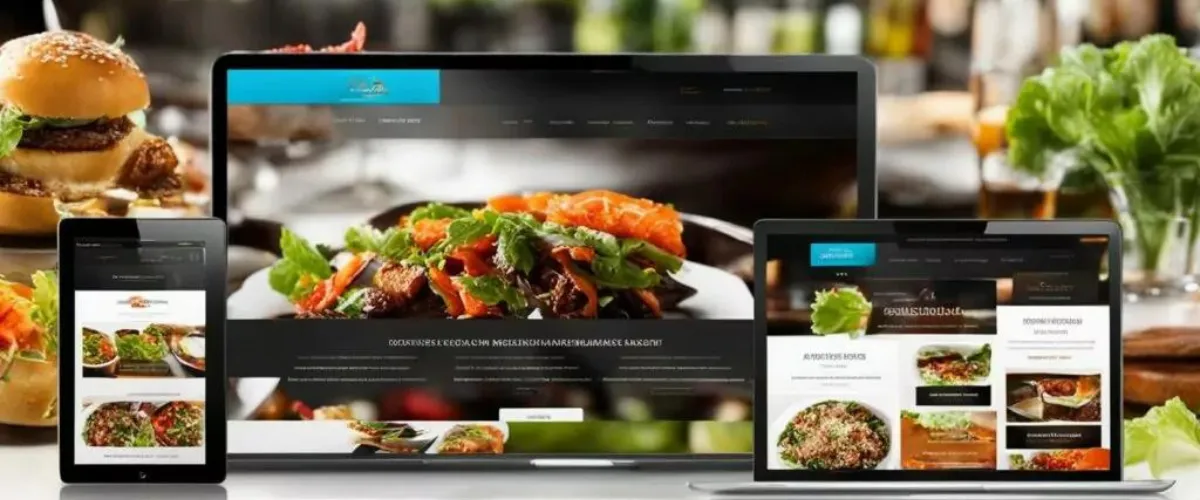
    As we enter 2024, the restaurant industry is on the brink of a significant transformation in marketing strategies and website design. The key to standing out amidst the competition lies in embracing innovative trends and aligning with the preferences of younger demographics, such as Millennials and Gen Z. By integrating these trends into your marketing tactics, you can leverage your social media presence, increase sales, and elevate your online reputation. A compelling restaurant website is pivotal in achieving these goals, showcasing your offerings in an enticing manner that draws in adventurous diners.

    Interactive and Witty Social Media Campaigns

    Social media continues to be a powerhouse for restaurant marketing in 2024. To differentiate yourself, focus on crafting interactive and humorous social media campaigns that resonate with your audience, incite emotional responses, and inspire shares. An engaging website complements these efforts by presenting your menu, highlighting special deals, and offering straightforward online booking and ordering functionalities. Such conveniences not only enrich the customer journey but also tip the scales in your favor against competitors.

    Enhanced Online Visibility through SEO

    Elevating your restaurant’s online visibility is crucial. Implementing robust SEO strategies can significantly improve your website’s search engine rankings, making it simpler for potential customers to discover your establishment among local dining options. This enhanced visibility is foundational for attracting a steady stream of patrons looking for new dining experiences.

    Dark Mode Themes and Parallax Scrolling

    The design world is witnessing a surge in the adoption of dark mode themes. These themes feature dark backgrounds paired with bright text and vivid imagery, creating a visually striking interface that minimizes eye strain and conserves energy. Additionally, parallax scrolling—a technique that simulates depth as the user scrolls—offers a captivating storytelling experience, enabling restaurants to narrate their unique story and ambiance in a memorable way.

    Minimalistic Web Design

    Minimalist web design is gaining traction for its sleek and sophisticated appeal. It emphasizes simplicity and clarity, enhancing the user experience and site performance. Key elements include a cohesive color scheme that reflects your brand, high-quality visuals of your cuisine and environment, and strategic use of white space to spotlight critical information and maintain a clean layout. This approach not only looks aesthetically pleasing but also prioritizes functionality and ease of use, fostering a positive first impression and encouraging deeper exploration of your site.

    Content Strategy and Regular Updates

    A successful website requires a thoughtful content strategy that keeps the site fresh and engaging. Consistently updating your content with new promotions, menu items, and information keeps your audience engaged and encourages repeat visits. Investing in a minimalist design also contributes to a timeless and user-friendly experience, appealing to a broad audience spectrum.

    Budget Allocation for Design Enhancements

    Investing in your website’s design is essential for maintaining its appeal and functionality. Designating a portion of your budget for upgrades ensures your site stays current and visually appealing. Engaging professional web designers can enhance your site’s performance and create a strong online presence for your restaurant.

    Conclusion

    In 2024, the success of your restaurant hinges on a well-executed website strategy. By adopting cutting-edge design trends, leveraging social media, and focusing on SEO, you can attract and retain customers, bolster your online presence, and outpace your competitors. Remember to allocate resources for ongoing design updates and improvements to ensure your website remains a beacon of innovation and excellence in the digital realm.

  • Harnessing the Power of Local Marketing: Bringing Your Community Closer

    Harnessing the Power of Local Marketing: Bringing Your Community Closer

    In the dynamic world of the restaurant industry, the most rewarding outcomes often stem from our immediate surroundings. As an experienced advocate for restaurant marketing, I’m eager to share insights into local marketing strategies designed to bring the essence of your neighborhood directly to your front door.

    Partnering with Local Businesses: A Symphony of Synergies

    Much like the perfect pairing of a vintage wine with a gourmet dish, collaborating with local businesses fosters a mutually beneficial relationship through cross-promotion. Imagine hosting joint events with the local bookstore or offering incentives for patrons of the community theater. This collaboration is a testament to the magic of unity in diversity.

    Engaging with the Community Through Events: Building Blocks of Belonging

    Your restaurant transcends being merely a dining spot; it has the potential to be a cherished hub of the community. By sponsoring local sports teams, participating in community fairs, or organizing charity fundraisers, you weave yourselves into the very fabric of the community, becoming an integral part of the local tapestry.

    Elevating Your Digital Presence with Local SEO: Making Waves Online

    In the digital sphere, visibility is paramount. Ensure your restaurant stands out in online searches by optimizing your Google My Business profile, incorporating local keywords throughout your website, and watching as locals discover your digital presence.

    Utilizing Local Influencers: Amplifying Your Voice in the Digital Landscape

    In the digital age, local influencers serve as the messengers of your restaurant’s story, spreading the word through the channels of social media. Their authentic connection with the community can extend your reach, making your restaurant a household name in the neighborhood.

    Targeting Local Audiences with Social Media Geotagging: Tailored Messages

    Social media platforms offer a dual-edged sword, capable of reaching both globally and locally. Leverage geotagging to deliver personalized messages to your local audience, resonating with posts that feature local landmarks or events and establishing your restaurant as a local favorite.

    Securing Local Media Coverage: Broadcasting Your Message

    The local press acts as a megaphone, broadcasting your message to the wider community. Features in local newspapers, segments on community TV, or mentions in popular magazines can ignite local curiosity and interest in your restaurant.

    Loyalty Programs: Nurturing Repeat Customers

    A loyalty program serves as the foundation for cultivating loyal patrons. Offering exclusive perks or rewards to frequent visitors makes them feel valued and incentivizes them to return, reinforcing their status as regulars at your establishment.

    Email Marketing with a Local Focus: Adding a Personal Touch

    Personalization reigns supreme in the inbox. Segment your email list by geographic location and customize your communications with local news, events, or special offers. It’s akin to receiving a warm welcome from a familiar face.

    Direct Mail Campaigns: Standing Out Amidst the Digital Noise

    In a sea of digital distractions, a physical mailer can cut through the clutter. Sending postcards, menus, or promotional materials directly to homes in your community serves as a tangible reminder of the culinary delights awaiting discovery.

    Supporting Local Charities: Strengthening Community Bonds

    Aligning with local charities or causes demonstrates your commitment to the community. Hosting fundraising events or donating proceeds from sales to a worthy cause not only showcases your philanthropy but also deepens your roots in the community.

    Conclusion: Embracing the Spirit of Local Community

    In essence, local marketing is more than a tactic; it’s an opportunity to become an indispensable part of your community. It’s about fostering a gathering place where friendships bloom, stories are exchanged, and memories are crafted. Implement these strategies to not only maximize your occupancy rates but also to forge genuine connections with your neighbors, transforming your restaurant into a cherished local landmark.

  • SEO for Restaurants: Mastering Visibility in 2024

    SEO for Restaurants: Mastering Visibility in 2024

    In the competitive landscape of the restaurant industry, standing out online is crucial for attracting new customers. As we move into 2024, enhancing your restaurant’s SEO (Search Engine Optimization) becomes increasingly important for boosting your online presence and driving sales. This guide aims to demystify SEO, offering practical tips and techniques to elevate your restaurant’s visibility on search engines.

    Understanding SEO for Restaurants

    SEO is the art and science of making your restaurant’s website more discoverable on search engines without spending money on paid ads. Its primary objective is to ensure that potential customers can effortlessly locate your establishment when searching for dining options online. For small businesses, integrating SEO into your marketing arsenal is essential for expanding your customer base and increasing online orders.

    Types of SEO Practices

    To craft an effective SEO strategy for your restaurant, focus on three core areas:

    On-page SEO: Enhance your website’s content by refining elements such as headlines, images, and HTML tags (including title tags, meta descriptions, image alt texts, internal linking, headers, etc.). These optimizations make your site more appealing to search engines and relevant to your target audience.

    Off-page SEO: This involves activities conducted outside your website, such as acquiring backlinks, managing online reviews, and executing social media marketing campaigns. These efforts help build credibility and authority, influencing search engines’ perception of your site’s quality.

    Local SEO: Tailor your online presence to local searches, ensuring your restaurant appears prominently in geographical-specific queries. Sharing accurate business information with platforms like Google Maps enhances your visibility in local searches, making it easier for nearby diners to find you.

    Advanced Tools for SEO Management

    While the basics of SEO form the backbone of your strategy, leveraging advanced tools can significantly enhance your efforts:

    Google Search Console: Monitor your site’s performance on Google Search, receive alerts on critical issues, and gain insights into how Google interacts with your website. This tool is invaluable for identifying and resolving indexing problems, thereby improving your site’s crawlability and visibility.

    Keyword Research Tools: Utilize tools like Google Keyword Planner, Moz Keyword Explorer, or SEMrush to uncover relevant keywords and understand their search volumes. These insights enable you to tailor your content to what potential customers are actively searching for.

    SEO Plugins: If your website is built on a CMS like WordPress, consider installing SEO plugins such as Yoast SEO or All in One SEO Pack. These tools automate many SEO tasks, guiding you through the process of optimizing your content for better search engine rankings.

    Improving On-site SEO for Restaurants

    Optimizing your website’s on-site SEO might seem daunting, especially for non-technical restaurateurs. However, by focusing on the essentials and utilizing available tools, you can significantly enhance your site’s organic search performance. Here’s a simplified approach to getting started:

    Identify Relevant Keywords

    The first step in optimizing your restaurant’s on-site SEO is identifying the keywords that potential customers use to search for establishments like yours. This involves researching common search terms and determining which ones align with your restaurant’s offerings and target market. Once you’ve identified these keywords, incorporate them naturally into your website’s content, including titles, descriptions, and metadata, to improve your chances of appearing in relevant search results.

    In conclusion, mastering SEO for your restaurant in 2024 is not just about understanding the theory; it’s about applying practical strategies and tools to make your business more discoverable online. By focusing on on-page, off-page, and local SEO, along with leveraging advanced tools for keyword research and site management, you can position your restaurant for success in the competitive digital marketplace.

  • How to Build a Website in 2024: A Comprehensive Guide?

    How to Build a Website in 2024: A Comprehensive Guide?

    Embarking on the journey to establish an online presence is a significant step towards growing your business or personal brand. A website serves as the digital storefront, inviting visitors to explore and engage with your offerings. This guide outlines a detailed, step-by-step tutorial to help you navigate the process of creating a website from scratch, ensuring you’re equipped with the knowledge to launch your site successfully.

    Do You Need Coding Skills?

    Historically, coding was a prerequisite for website creation. However, advancements in technology have introduced user-friendly tools that transform website building into a visual experience. This tutorial adopts a non-technical approach, allowing anyone to embark on the website-building journey without prior coding knowledge.

    Choosing Between CMS and Website Builder

    Deciding between a Content Management System (CMS) like WordPress and a website builder is crucial. While website builders offer convenience, they limit flexibility and may lock you into their ecosystem. Conversely, CMSs like WordPress provide extensive control and customization options, making them the preferred choice for most users. For this tutorial, we’ll focus on WordPress.org due to its balance of accessibility, customization, and cost-effectiveness.

    Step 1: Selecting a Hosting Provider

    Hosting is the backbone of your website, affecting speed, reliability, and security. Shared hosting is suitable for low-traffic sites, while managed WordPress hosting offers optimized support for WordPress sites. For more demanding requirements, Virtual Private Server (VPS) hosting provides a cost-effective alternative to dedicated hosting.

    Step 2: Registering Your Domain

    Choosing a domain name is a critical step in establishing your online identity..COM domains remain the most trusted and widely recognized, although alternatives like.NET,.ORG, and country-code TLDs (.UK,.CA, etc.) are also viable options.

    Step 3: Installing WordPress.org

    WordPress stands out as the leading CMS due to its ease of use, open-source nature, and extensive customization capabilities. Installing WordPress on your domain is straightforward, providing access to a vast array of themes and plugins to personalize your site.

    Step 4: Planning Your Website Structure

    Before diving into design and functionality, outline your website’s purpose and structure. Determine whether a single-page site or a multi-page layout best suits your needs, considering factors like e-commerce integration and informational content.

    Step 5: Selecting a Theme

    Themes are the foundation of your website’s appearance. With WordPress, you have access to thousands of themes catering to various industries and styles. Choose a theme that aligns with your brand and the functionality you intend to offer.

    Step 6: Installing Essential Plugins

    Plugins extend your website’s functionality, from SEO optimization to contact forms and e-commerce solutions. Carefully select plugins that meet your site’s specific needs, enhancing both usability and performance.

    Step 7: Creating Your Homepage

    The homepage is your site’s first impression. Craft a compelling introduction that highlights your value proposition, services, or products. Keep the design clean and focused on the visitor’s journey.

    Step 8: Adding Additional Pages

    Expand your website’s content by adding relevant pages. This could include About Us, Services, Blog, Contact, and E-commerce pages, depending on your objectives. Prioritize content that adds value to your visitors and supports your overall branding strategy.

    Step 9: Establishing Navigation

    Effective navigation guides visitors through your site, ensuring they can easily find the information they seek. WordPress offers built-in tools to create intuitive navigation menus, enhancing user experience.

    Step 10: Ongoing Maintenance and Improvement

    Launching a website is just the beginning. Continuous maintenance, including content updates, security checks, and performance optimizations, is crucial for keeping your site relevant and secure.

    By following these steps, you’ll be well-equipped to build a functional, attractive website that serves as a powerful tool for your business or personal brand. Remember, the journey to a successful website is ongoing, requiring regular updates and adjustments to stay aligned with your goals and the evolving digital landscape.

  • How AI Content Writing & Transcription Can Boost Your Business

    How AI Content Writing & Transcription Can Boost Your Business

    AI content writing tools have taken the internet by storm. These innovative technologies have shown to improve output, streamline internal processes, and boost overall productivity for teams across various industries. But what exactly is artificial intelligence writing, and how does it work? In this article, we’ll discuss AI content writing, its benefits, and how it can significantly enhance your business operations.

    What is Artificial Intelligence Writing?

    AI content writing tools use automation and machine learning to create content that reads as though a human wrote it. Initially, AI writers were limited to generating only short sentences or paragraphs, often of low quality. However, recent advancements have transformed these tools into sophisticated platforms capable of creating a wide array of written works, including blogs, marketing copy, poems, songs, and even short stories.

    Despite their impressive capabilities, AI writers are best used as supplemental tools for human writers rather than direct replacements. AI-generated content might sometimes lack depth or context, and there’s a risk of outputting incorrect or outdated information since AI relies on its internal knowledge base without real-time internet access.

    How Does AI Content Writing Work?

    Using an AI content writing tool might seem like magic, but the process is straightforward. The AI takes the topic you provide, scans existing content from its data bank to gather relevant information, and assembles it into a cohesive article. For the AI to produce meaningful output, it needs extensive training, often involving exposure to billions of websites, news articles, blogs, books, and other resources.

    Benefits of AI Content Writing

    1. Enhanced Productivity and Output

    AI content generation tools can create multiple rough drafts or outlines of an article quickly. You can select the best headings and refine the content by adding emotional elements, checking facts, or substituting words. This capability is particularly useful for small businesses needing regular content but lacking a full writing team. AI can extend the abilities of your existing writers, dramatically boosting productivity and content output.

    2. Efficient Research Assistance

    Thorough research is a time-consuming task for content writers. AI tools can double as research assistants, providing facts and tidbits about a topic. Unlike traditional search engines, AI writers gather information from various sources and compile it into a cohesive article, significantly cutting down research time.

    3. Cost Reduction

    While AI writers won’t entirely replace human writers, they can help reduce costs by allowing businesses to downsize some roles. AI tools excel at generating fact-based, straightforward content, such as how-to guides and FAQs. This allows you to focus resources on hiring experienced writers to produce high-quality content, using AI as a supplemental tool.

    4. Improved SEO

    AI writers can help improve the SEO of your content. They can generate SEO meta descriptions, summarize articles, and include relevant keywords. For instance, you can input an article into an AI tool and ask it to generate multiple variations of meta descriptions, optimizing your content for search engines.

    5. Better Headlines and Titles

    Crafting catchy headlines is crucial for enticing readers to click on your article. AI content writing tools can generate numerous SEO-optimized headline ideas, helping you create compelling and eye-catching titles. The more specific your prompts and the better your keyword research, the stronger the headlines the AI can produce.

    6. Enhanced Readability

    AI writing tools can produce content that is easy to read, even from highly technical topics. They can write in various tones, from formal and informative to fun and youthful, making them ideal for creating digestible content that matches your branding. This is especially beneficial for non-writer roles that require written communication, such as finance professionals and researchers.

    7. Versatile Writing Assistant

    AI content generation platforms can serve as writing assistants for non-writer roles, such as finance professionals, programmers, and researchers. These individuals can input technical prompts into an AI tool to generate readable reports quickly, allowing them to focus on their primary tasks.

    Conclusion

    AI content writing and transcription tools are transforming business operations across industries. By leveraging these advanced technologies, you can enhance productivity, reduce costs, improve SEO, and produce high-quality, readable content. AI tools are especially beneficial for small businesses and non-writer roles, providing an efficient and cost-effective solution for content generation. As AI continues to evolve, its role in content creation will undoubtedly become more integral, offering even greater benefits for businesses looking to stay ahead in a competitive digital landscape.